If you live in the UK, you probably know about HMRC self-assessment, which is how to report your income and pay the right amount of tax. For some people, it’s just something they do every year. For some people, the deadline in January is so stressful that it keeps them up at night. But self-evaluation doesn’t have to be hard. If you prepare for your taxes the right way, you can stay on top of them, avoid penalties, and even feel good about the process. We’ll talk about what HMRC self-assessment is, who needs to do it, how it works, the most common mistakes people make, and some simple ways to make it all easier.
What is HMRC Self Assessment?
HMRC self-assessment is how HM Revenue & Customs gets taxes from people whose income isn’t already taken care of by PAYE. If you work for only one company and get a pay cheque every month, your taxes are usually taken care of automatically. But if you make money in other ways, like being self-employed, renting out a house, running a side business, or getting dividends, you’ll have to file a tax return.
You are responsible for figuring out your income, claiming any expenses, and paying the tax that is due. This is why it is called self-assessment. HMRC doesn’t automatically know about every pound you make, especially if it comes from more than one place. It’s your job to report it correctly.
Who Needs to File a Self Assessment?
Not everyone in the UK has to do an HMRC self-assessment, but if you are in one of these groups, you will have to. Here are some of the most common ones:
- Being self-employed as a sole trader and earning more than £1,000 in a tax year.
- Being part of a business partnership.
- Receiving rental income from property.
- Earning from savings, investments, or dividends above HMRC’s limits.
- Making money from overseas.
- Claiming tax reliefs or expenses that can’t be sorted through PAYE.
- Having an annual income of more than £100,000.
You might still need to file a return even if you already pay taxes through your job if you make extra money on the side. That could be anything from doing freelance work to running a small Etsy shop, renting out a room you don’t use, or driving for Uber. HMRC usually wants to know if you’re making money outside of your main job.
Key Dates You Can’t Afford to Forget
Deadlines are where a lot of people slip up with HMRC self assessment. The dates are fixed, and missing them can lead to fines, even if you don’t owe any tax. Here are the important ones to keep in mind:
| Date | What It Means |
| 5 April | End of the tax year. All your income and expenses are counted up to this date. |
| 5 October | Deadline to register with HMRC if you’re new to self assessment. |
| 31 October | Last day to send in a paper tax return. |
| 31 January | Deadline for online returns and for paying any tax you owe. |
If you miss these, HMRC will charge penalties, and the fines increase the longer you delay. Even if your bill is £0, sending your return late can still cost you money so it’s worth filing early and avoiding the stress.
How to Register for HMRC Self Assessment
If it’s your first time filing, the thought of registering can feel a bit daunting, but it’s actually quite straightforward. You simply head over to the HMRC website, set up an account, and let them know you need to complete a self assessment.
Once you’ve done that, HMRC will send you a Unique Taxpayer Reference (UTR). Think of this as your personal ID number for the tax system you’ll need it every year, so keep it somewhere safe. After you’re registered, you can log in online whenever you need to. The online system is the most popular option now because it’s quicker, easier to fix mistakes, and you get an instant confirmation once your return has been submitted.
What Information Do You Need?
Being organised really helps here. You’ll need to gather some important papers to finish your HMRC self-assessment. Here’s what you need to get ready:
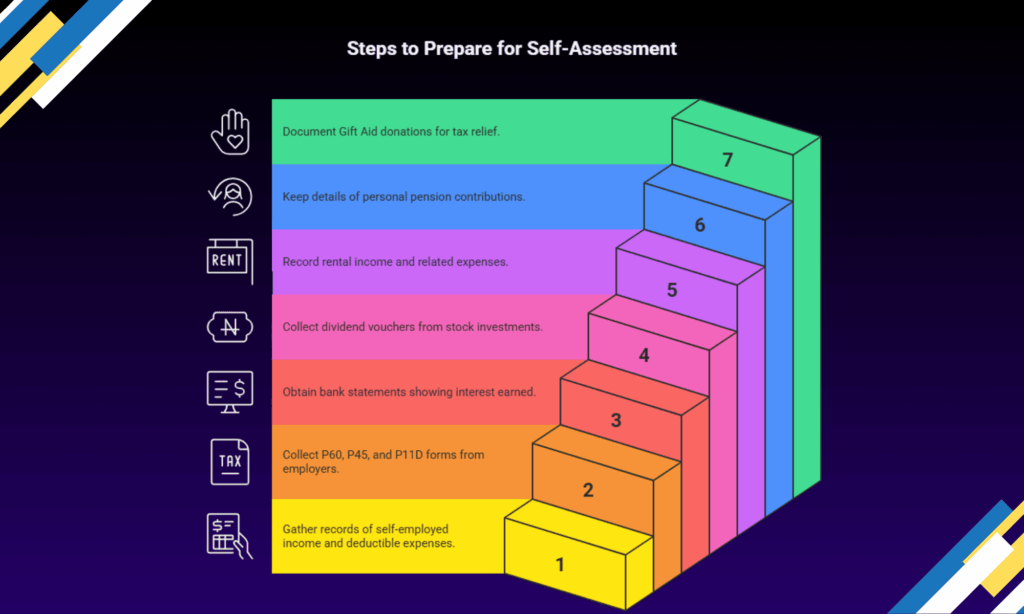
Records of Self-Employed Income and Expenses
If you own a business or work as a freelancer, you need to keep track of all the money you make and the costs you can deduct. Throughout the year, keep your receipts, invoices, and payment records safe.
PAYE Forms (P60, P45, P11D)
If you work and get other income, make sure you get these forms from your boss. They show how much money you made and how much tax has already been taken out. Learn about P11D Form.
Bank Interest Statements
You have to tell the IRS about any interest you earn on your savings. Most of the time, your bank will send you a statement or certificate that shows how much interest you earned.
Dividend Vouchers
You will need the official vouchers if you own stock in a company and got dividends. These show how much you were paid and any tax breaks you got with them.
Rental Income and Expenses
For landlords, rental income and related costs such as repairs, maintenance, or letting agent fees must be recorded. Having everything written down avoids last-minute stress.
Pension Contributions
If you’ve paid into a personal pension, you may be entitled to tax relief. Keep details of contributions so you can claim the benefit.
Gift Aid Donations
Donations made under Gift Aid can also reduce your tax bill. Keep a record of your charitable giving so you don’t miss out on this relief.
How to Actually Fill Out the Return
When it comes to completing your HMRC self assessment, the online system keeps things fairly simple. Once you log in, it takes you through the return step by step, asking for the details it needs. You’ll enter your income, note down your expenses, and fill in the sections that match your situation.
- If you’re self-employed, you’ll put in your business turnover and the expenses you can claim back.
- If you earn rental income, there’s a property section where you record rent received and any related costs.
- If you’ve got investments, you’ll add details of dividends or interest from savings.
After you’ve filled everything in, HMRC works out the numbers for you. The system shows whether you’ve paid too much tax (and are due a refund) or if you still owe money that needs to be paid by the deadline.
Common Mistakes People Make
Plenty of people slip up with HMRC self assessment, even when they’re usually organised. The most common issues are missing the deadline and getting fined, leaving out income from side jobs, forgetting to claim expenses, putting in rough guesses instead of accurate figures, or not realising that large tax bills often come with payments on account for the next year.
Can You Do It Yourself or Should You Get Help?
A lot of people do their own HMRC self-assessment every year, especially if their finances aren’t too complicated. But when things get more complicated, like having multiple sources of income, rental properties, or investments, it can quickly become stressful and take a lot of time. In those situations, getting help from a professional really helps.
An experienced accountant can help you through the process, find tax breaks you might not know about, and make sure everything is filed correctly and on time. This not only saves you hours of work, but it can also help you avoid paying too much in taxes or getting in trouble for mistakes.
If you want to feel better about things, We offers expert help with self-assessment and even a free consultation to help you get started.
What is Payments on Account?
One part of HMRC self assessment that often surprises people is something called payments on account. This kicks in if your tax bill for the year is more than £1,000. Instead of just paying what you owe, HMRC usually asks you to make advance payments towards the next year’s bill as well.
These payments are split into two instalments: one by 31 January and the other by 31 July. Each instalment is normally half of your latest tax bill.
For example:
- If your tax bill for 2023/24 is £2,000, you’ll pay the full £2,000 by 31 January 2025. On top of that, you’ll also need to pay your first instalment of £1,000 for the following year. That makes £3,000 due in January. The second £1,000 instalment is then due by 31 July 2025.
- If your bill is £4,000, you’ll pay the £4,000 plus a first instalment of £2,000 in January, totalling £6,000, and then another £2,000 in July.
It can feel like a double hit the first time around, which is why many people are caught off guard. Once you’ve paid it, the system evens out in future years because you’ve already covered a chunk of the next bill. The key is to budget carefully so you’re not left scrambling when the deadlines arrive.
What Happens If You Don’t File?
It can be very expensive to ignore HMRC self-assessment. If you don’t meet the deadline, you’ll automatically have to pay a £100 fine right away. The longer you wait, the bigger the fine will be. HMRC also adds interest to any unpaid taxes, which means the bill keeps getting bigger until it is paid. In some cases, they may even go to court to get what they are owed.
HMRC Self Assessment and Making Tax Digital
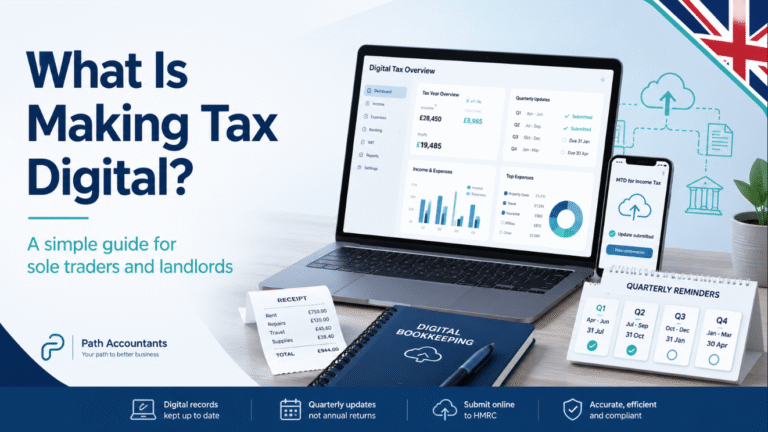
HMRC is slowly getting closer to a system called Making Tax Digital (MTD). This means that landlords and people who work for themselves will have to send updates every three months instead of one big return every year. It has been pushed back a few times, but it will start eventually. It will be much easier to make the change when the time comes if you start keeping your records digitally now.
Final Thoughts
It may seem like extra work to file a self-assessment, but it’s just a way to keep your taxes straight and avoid surprises later. The whole thing is a lot easier if you plan ahead and keep your records in order. And if you can’t handle it on your own, getting help from a professional can make things easier for you. In the end, self-assessment is just one way to keep your finances in order and your life stable.
FAQs
Do I need to file a self assessment if I only have one job?
If all your income comes from one job and your tax is taken through PAYE, you normally don’t need to file. You’ll only need to do it if you have extra income, like freelance work or rent from a property.
What happens if I miss the hmrc self assessment deadline?
Missing the deadline brings an automatic £100 fine, even if you don’t owe any tax. The longer you leave it, the bigger the fines get, and interest is added too.
Can I claim expenses on my self assessment?
Yes, if you’re self-employed you can claim back costs that are necessary for your work, such as office supplies, travel, or tools. Keeping receipts makes this much easier.
How do I pay the tax once my return is done?
When you submit online, HMRC tells you how much you owe and gives you payment options. Most people pay by bank transfer, card, or Direct Debit.
Get expert help before your next tax deadline.
Path Accountants helps UK small businesses stay compliant, organised, and tax efficient.

Mohammad Hamza Pathan
ACA Chartered Accountant & Technical Reviewer
ICAEW verified practising certificateMohammad Hamza Pathan is an ICAEW Chartered Accountant and a director of Path Accountants. He reviews Path Accountants guides for technical accuracy, practical relevance and alignment with current UK accounting and tax requirements before publication or substantive updates.
Qualifications and experience
- ICAEW Chartered Accountant (ACA), admitted in 2020 and holder of an ICAEW practising certificate.
- Accountant at Path Accountants and a registered director of Path Accountants Ltd.
- Education listed as Cass Business School.
Professional review areas
- UK tax compliance
- Statutory and company accounts
- Self Assessment
- VAT and Making Tax Digital
- Bookkeeping and payroll
- Small-business accounting
Technical claims, UK terminology, key compliance points and whether the guidance clearly distinguishes general information from advice that depends on a reader's circumstances.