Signs Your Business Needs an Accountant
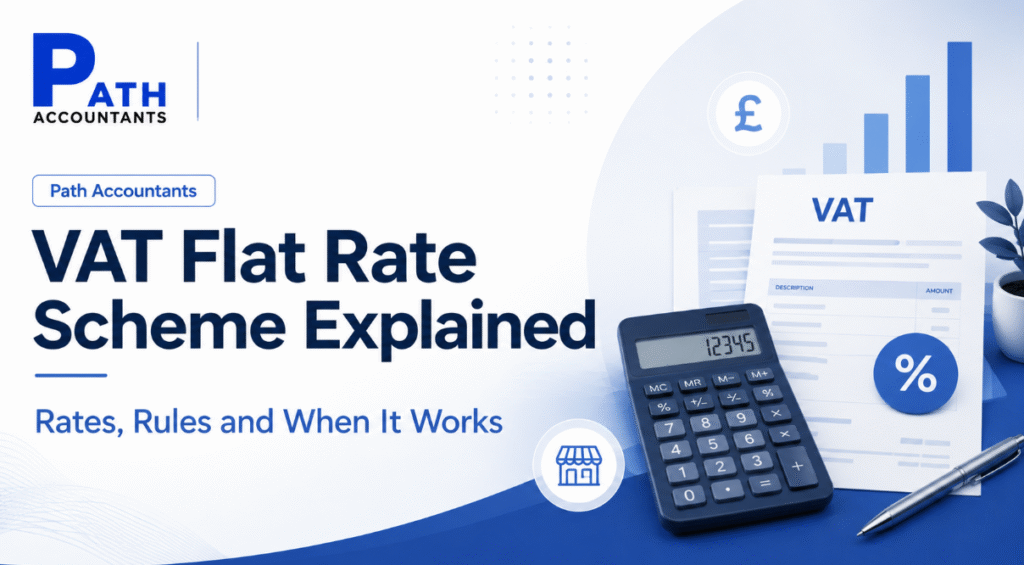
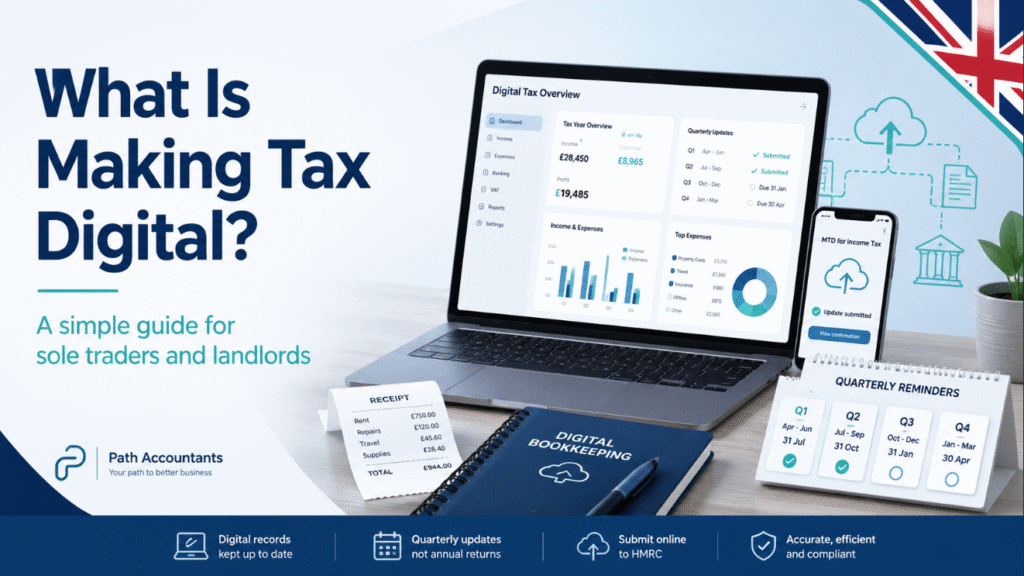
Most business owners start by doing everything themselves. You send invoices, check the bank, chase payments, keep receipts and try to understand tax when the deadline comes close. At first, that feels normal. You are saving money and staying in control. But as the business grows, the numbers become harder to manage. More customers means more transactions. More expenses means more records. More income also means more planning. That is when the Signs Your Business Needs an Accountant begin to show. You do not need to wait until things go wrong. If your accounts are taking too much time, causing stress, or stopping you from making clear decisions, it may be time to get proper support. You can also compare the real difference between doing it yourself and getting help in this guide on small business accountant vs DIY accounting. Your bookkeeping is no longer a small task Bookkeeping often starts as a quick job. You update a spreadsheet, save a few receipts and check what came in during the week. Then the business gets busier. You now have card payments, invoices, subscriptions, supplier bills, refunds, software costs, travel costs and bank charges. What used to take 20 minutes now eats into your evening. This is one of the clearest Signs Your Business Needs an Accountant because messy bookkeeping affects every part of the business. You may notice this when: An accountant can help you build a simple system that works through the year. That means cleaner records, better categories and fewer last minute surprises. If this is already becoming a problem, you may also find this guide on small business bookkeeping useful. You are busy but still unsure about profit A busy business is not always a profitable business. You may have customers, invoices and regular sales, but still feel short of money. This can happen when costs rise quietly, prices are too low, customers pay late, or you spend money without allowing for tax. One of the strongest Signs Your Business Needs an Accountant is when you cannot answer this simple question with confidence. Are we actually making money? A proper accountant can help you understand: This kind of clarity changes how you run the business. You stop guessing from your bank balance and start making decisions from real numbers. If turnover and profit often feel like the same thing, read this simple guide on turnover vs revenue. Tax feels stressful every year Tax should not feel like a panic job. But for many business owners, it does. The problem usually starts months earlier. Receipts are missing. Expenses are unclear. Income has not been checked properly. Then the deadline gets close and everything becomes rushed. This is one of the most common Signs Your Business Needs an Accountant. For Self Assessment, the online filing and payment deadline for the 2025 to 2026 tax year is 31 January 2027, according to GOV.UK Self Assessment deadlines. An accountant can help you avoid tax stress by: The value is not only in filing the return. The real value is knowing where you stand before the deadline arrives. For more help, see our guide on the tax return deadline and what expenses you can claim as self employed. VAT is getting close and you are not sure what to do VAT is one area where waiting too long can cause real problems. In the UK, a business must register for VAT when taxable turnover goes over £90,000. GOV.UK VAT registration guidance also says businesses must usually register within 30 days of the end of the month when they crossed the threshold. This is one of the biggest Signs Your Business Needs an Accountant because VAT affects more than a form. It affects your pricing, invoices, cash flow, software and customer communication. You should speak to an accountant if: VAT is easier to manage before you cross the threshold. Once you are already behind, it becomes more stressful and more expensive to fix. These guides on the VAT threshold, common VAT mistakes small businesses make and Making Tax Digital can help you understand the basics. Cash flow keeps catching you off guard Cash flow is the money moving in and out of your business. It is not the same as profit. You can be profitable on paper and still struggle to pay bills if clients pay late or costs arrive before income. This is why cash flow problems feel so frustrating. The business looks busy, but the bank account still feels tight. This is one of the practical Signs Your Business Needs an Accountant because cash flow affects daily decisions. An accountant can help you see: With a simple cash flow forecast, you can plan ahead instead of reacting when money is already short. If unpaid invoices are part of the issue, this guide on creditors and debtors explains the difference in plain English. Limited company duties are becoming confusing A limited company can be a good structure, but it comes with more responsibility than being a sole trader. You need to think about annual accounts, Corporation Tax, director salary, dividends, company records and deadlines. Personal money and company money also need to stay separate. This is one of the most important Signs Your Business Needs an Accountant, especially if you formed a company but still manage the money like a sole trader. Private limited companies usually need to file annual accounts with Companies House 9 months after the company financial year ends. Company Tax Returns are usually due 12 months after the accounting period ends, according to GOV.UK company accounts and tax return guidance. An accountant can help you understand: This support can prevent confusion before it turns into penalties or poor tax planning. If you are unsure whether your structure still fits, read our guide on sole trader vs limited company and our latest Corporation Tax guide. Your reports do not help you make decisions Many business owners have accounting software, but the reports are not useful to them. They