If you own a car in the UK, you must pay Vehicle Excise Duty, also known as car tax. The amount you pay depends on several factors such as the type of vehicle you drive, when it was registered, and its emissions. Many drivers are unsure what their exact rate should be, so this guide explains how car tax works and how to find out what you owe.
What Is Car Tax?
Car tax is a yearly charge paid by vehicle owners to allow their car to be used on public roads. It helps fund road maintenance and government transport systems.
The correct name is Vehicle Excise Duty, but most people simply call it car tax. You must pay it for almost every vehicle unless it qualifies for an exemption, such as electric cars or historic vehicles.
How Car Tax Is Calculated?
Your car tax rate depends on the following
- The fuel type
- The age of your vehicle
- The carbon emissions
- The list price when new
- Whether it is electric or petrol or diesel
HMRC and the DVLA use these details when setting the tax for each vehicle. There are three main systems used depending on when your car was registered.
Car Tax for Cars Registered After April 2017
Cars registered from April 2017 onwards follow a simpler system. The first year tax is based on CO2 emissions. After the first year, most cars pay a standard flat rate.
First year rates based on emissions
| CO2 Emissions | First Year Car Tax |
|---|---|
| Zero emissions | £0 |
| 1 to 50 g/km | £10 |
| 51 to 75 g/km | £30 |
| 76 to 90 g/km | £130 |
| 91 to 100 g/km | £165 |
| 101 to 110 g/km | £185 |
| 111 to 130 g/km | £210 |
| 131 to 150 g/km | £255 |
| 151 to 170 g/km | £645 |
| 171 to 190 g/km | £1040 |
| 191 to 225 g/km | £1550 |
| 226 to 255 g/km | £2120 |
| Over 255 g/km | £2365 |
Standard yearly rate after year one
- £180 for petrol and diesel cars
- £170 for alternative fuel cars
- £0 for fully electric cars
If the car had a list price of more than £40,000 when new, you must also pay an extra supplement for five years.
Car Tax for Cars Registered Between 2001 and 2017
Cars registered between March 2001 and April 2017 pay tax based on their CO2 emissions band. The DVLA has a detailed banding system.
Examples
- Band A up to 100 g/km is £0
- Band C up to 120 g/km is £35
- Band F up to 165 g/km is £155
- Band L up to 255 g/km is £615
The higher the emissions, the higher the tax.
Checkout UK tax thresholds
Car Tax for Cars Registered Before 2001
Older cars pay tax based on their engine size
- Up to 1549cc
- Above 1549cc
Cars above the limit pay more because they tend to produce higher emissions.
Car Tax for Electric Cars
Electric cars are currently exempt from car tax because they produce zero emissions. However, this rule will change in future tax years, so electric cars may attract some tax later on. Hybrid cars do not get full exemptions. They usually receive a reduced rate.
How Car Tax Changes When You Buy or Sell a Vehicle?
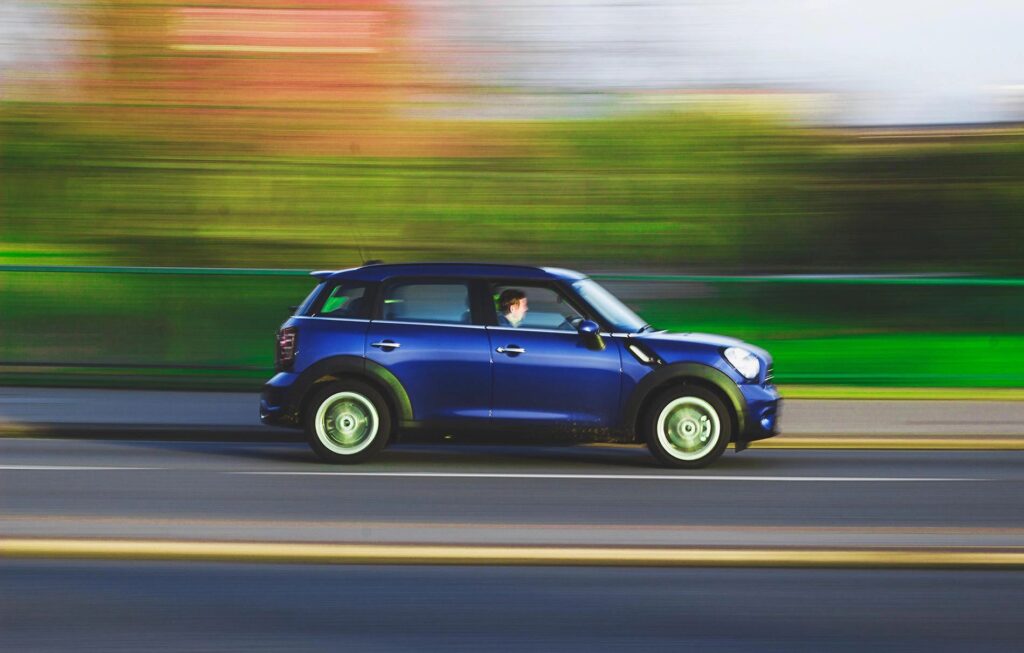
When you buy or sell a car in the UK, the car tax does not transfer to the new owner. The DVLA automatically cancels the old tax and refunds the seller for any full remaining months. The buyer must tax the car before driving it, even if the previous owner had already taxed it. This rule often surprises new drivers and can lead to fines if ignored.
How Emissions and Fuel Type Affect the Cost of Car Tax?
Your emissions level and fuel type play a major role in how much car tax you pay. Petrol and diesel cars with higher emissions fall into higher tax bands, while hybrid cars receive reduced rates. Fully electric vehicles currently pay no car tax because they have zero emissions, although this rule is set to change in future tax years.
Car Tax for Expensive Cars Over £40,000
Cars with a list price above £40,000 pay an extra yearly amount for five years after the first payment. This is called the expensive car supplement. Even electric vehicles will pay this supplement when the rules change.
How To Check How Much My Car Tax Is?
You can check your exact tax amount easily. Just use the free government checker. It is accurate and gives the tax rate for your specific car model.
Visit the DVLA service to check
- Exact tax rate
- Renewal date
- Whether your car is taxed or untaxed
You will need your vehicle registration number.
Car Tax Exemptions
Some vehicles are exempt from car tax
- Electric cars
- Cars registered before 1984 which qualify as historic
- Mobility vehicles under the Motability Scheme
- Cars used by disabled drivers
- Vehicles used for agriculture
Always check if your car qualifies because you may be paying more than necessary.
How To Pay Car Tax?
You can pay car tax
- Monthly by direct debit
- Every six months
- Annually
Renewal reminders are usually sent by the DVLA or you can check online at any time.
What Happens If You Do Not Pay Car Tax?
Not paying car tax can lead to
- Automatic fines
- Wheel clamping
- Removal of the vehicle
- Penalties from the DVLA
Your car can also be flagged on ANPR cameras, so staying up to date is important.
Checkout UK tax codes information
Final Thoughts
Understanding how much your car tax is helps you stay compliant and avoid unexpected fines. With rising emissions rules and different systems for different car ages, the easiest way to know your exact rate is to check using your registration number. If you are unsure about the rules or need help understanding how car tax fits into your wider financial planning, a qualified accountant can guide you.
If you need help with car related tax matters or want professional guidance on UK tax rules, Our team at Path Accountants is ready to assist.
FAQs
Can I tax a car without insurance?
No. You need valid insurance and an MOT before you can tax your car.
Can I drive my car if my tax has expired?
No. Driving without road tax can lead to penalties and your car may be clamped.
Does changing my address affect car tax?
Yes. You should update your vehicle logbook so that reminders reach you.
Do hybrid cars pay car tax?
Yes. Hybrids usually pay a reduced amount but they are not fully exempt like electric cars.
Do I get a refund if I sell my car?
Yes. The DVLA will refund any remaining full months of tax after you notify them that the car has been sold.
Get expert help before your next tax deadline.
Path Accountants helps UK small businesses stay compliant, organised, and tax efficient.

Mohammad Hamza Pathan
ACA Chartered Accountant & Technical Reviewer
ICAEW verified practising certificateMohammad Hamza Pathan is an ICAEW Chartered Accountant and a director of Path Accountants. He reviews Path Accountants guides for technical accuracy, practical relevance and alignment with current UK accounting and tax requirements before publication or substantive updates.
Qualifications and experience
- ICAEW Chartered Accountant (ACA), admitted in 2020 and holder of an ICAEW practising certificate.
- Accountant at Path Accountants and a registered director of Path Accountants Ltd.
- Education listed as Cass Business School.
Professional review areas
- UK tax compliance
- Statutory and company accounts
- Self Assessment
- VAT and Making Tax Digital
- Bookkeeping and payroll
- Small-business accounting
Technical claims, UK terminology, key compliance points and whether the guidance clearly distinguishes general information from advice that depends on a reader's circumstances.