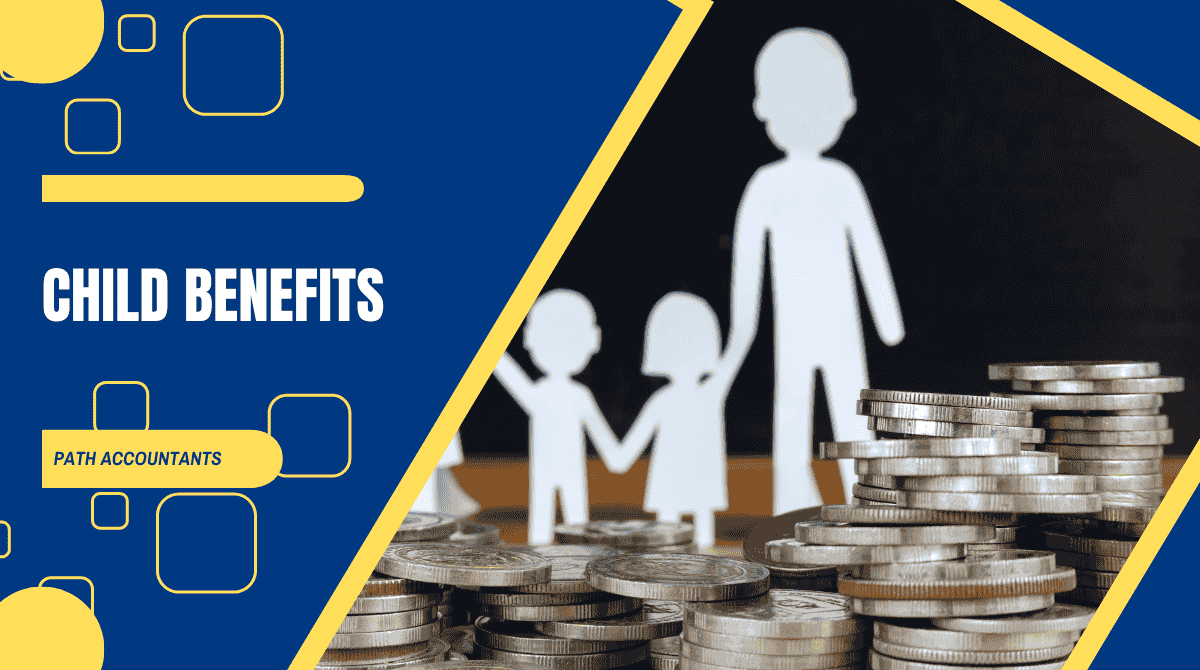
Child Benefit is one of the simplest and most helpful payments available to parents in the UK. It is money paid by the government to help with the cost of raising children. Almost every parent or guardian can claim it, and it continues until the child turns sixteen or up to twenty if they stay in approved education or training.
In this guide we’ll explain what Child Benefit is, how much you can receive, how to claim it, and what rules you should know so you do not miss out.
What Is Child Benefit?
Child Benefit is a weekly payment given to people responsible for bringing up a child. It is not income based. Even high earning families can claim it, although some may need to pay back part of it through the High Income Charge.
You can claim Child Benefit if
- You live in the UK
- You are responsible for a child under sixteen
- Your child is under twenty and still in full time education or approved training
Only one person can claim Child Benefit for a child.
How Much Is Child Benefit?
The current weekly Child Benefit rates are
| Child | Weekly Amount |
|---|---|
| Eldest or only child | £25.60 |
| Each additional child | £16.95 |
Payments are sent every four weeks, although single parents and low income households can ask for weekly payments. These rates can change each tax year, so it is useful to check the government update page if you rely on these payments.
How To Claim Child Benefit?
You can claim Child Benefit by completing the CH2 form. This is available on the government website. Once submitted, HMRC will process the claim and begin payments.
To apply, you will need
- Your National Insurance number
- Your child’s birth certificate or adoption certificate
- Your bank account details
It is important to claim even if you do not want the payments. This is because receiving Child Benefit helps protect your National Insurance record, which affects future State Pension entitlement.
High Income Child Benefit Charge
If you or your partner earns over £50,000 a year, you may need to pay the High Income Child Benefit Charge. This is a tax charge that reduces or removes the benefit depending on income.
Here is how it works
- Earn between £50,000 and £60,000 and you repay part of the Child Benefit
- Earn over £60,000 and you repay all of it
The charge is collected through Self Assessment. Many families decide to still claim the benefit and then repay the charge because the National Insurance credit is valuable.
Why You Should Claim Child Benefit Even If You Do Not Need the Money?

Many high earners do not claim Child Benefit because they think they will have to repay all of it. But claiming has important advantages
- You protect your National Insurance credits
- You ensure your child receives their National Insurance number automatically at sixteen
- You stay registered for certain financial support programmes
Not claiming can create problems later, especially for parents who take time away from work to raise children.
Stopping or Changing Child Benefit
You must tell HMRC if
- Your child leaves education or training
- Your child moves out
- You separate from your partner
- You move abroad
- You start or stop receiving payments
- Your income goes above fifty thousand
Keeping HMRC updated prevents overpayments and helps keep your tax record accurate.
Child Benefit and Education
Child Benefit usually continues while your child attends
- GCSE or A level studies
- BTEC and NVQ courses
- T levels
- Apprenticeships approved by the government
It stops if the child takes a gap year, leaves full time education, or starts working more than twenty four hours a week.
How Child Benefit Is Paid?
Payments are sent directly to your bank account. Most parents receive it every four weeks, but you can ask for weekly payments if
- You are a single parent
- You receive certain benefits
This flexibility helps families manage their monthly budgets.
Learn more about how tax codes works
Final Thoughts
Child Benefit is one of the most helpful support schemes for parents in the UK. It offers financial help, protects future pension rights, and ensures important records stay up to date. Whether you are a new parent or managing a growing family, taking the time to understand Child Benefit can save you stress and money in the long run.
If your circumstances change or you are unsure about the High Income Charge, seeking guidance from a professional accountant can help keep your tax record correct. If you want help understanding Child Benefit or need guidance on the High Income Charge and Self Assessment, the team at Path Accountants is ready to assist.
Frequently Asked Questions
Can both parents claim Child Benefit?
No. Only one person can claim for each child.
Do adopted children qualify?
Yes. Adopted children, foster children, and children you are responsible for can all be included.
Do I need to tell HMRC if my child goes to university?
Yes. Child Benefit stops once the child leaves full time non advanced education.
Does Child Benefit count as taxable income?
No. It is not taxed, although the High Income Charge may apply.
How long does a new claim take?
It normally takes around eight to twelve weeks for HMRC to process a new claim.
Are non UK residents allowed to claim?
If you live abroad you may qualify in limited cases, but UK residency is usually required.
Get expert help before your next tax deadline.
Path Accountants helps UK small businesses stay compliant, organised, and tax efficient.

Mohammad Hamza Pathan
ACA Chartered Accountant & Technical Reviewer
ICAEW verified practising certificateMohammad Hamza Pathan is an ICAEW Chartered Accountant and a director of Path Accountants. He reviews Path Accountants guides for technical accuracy, practical relevance and alignment with current UK accounting and tax requirements before publication or substantive updates.
Qualifications and experience
- ICAEW Chartered Accountant (ACA), admitted in 2020 and holder of an ICAEW practising certificate.
- Accountant at Path Accountants and a registered director of Path Accountants Ltd.
- Education listed as Cass Business School.
Professional review areas
- UK tax compliance
- Statutory and company accounts
- Self Assessment
- VAT and Making Tax Digital
- Bookkeeping and payroll
- Small-business accounting
Technical claims, UK terminology, key compliance points and whether the guidance clearly distinguishes general information from advice that depends on a reader's circumstances.