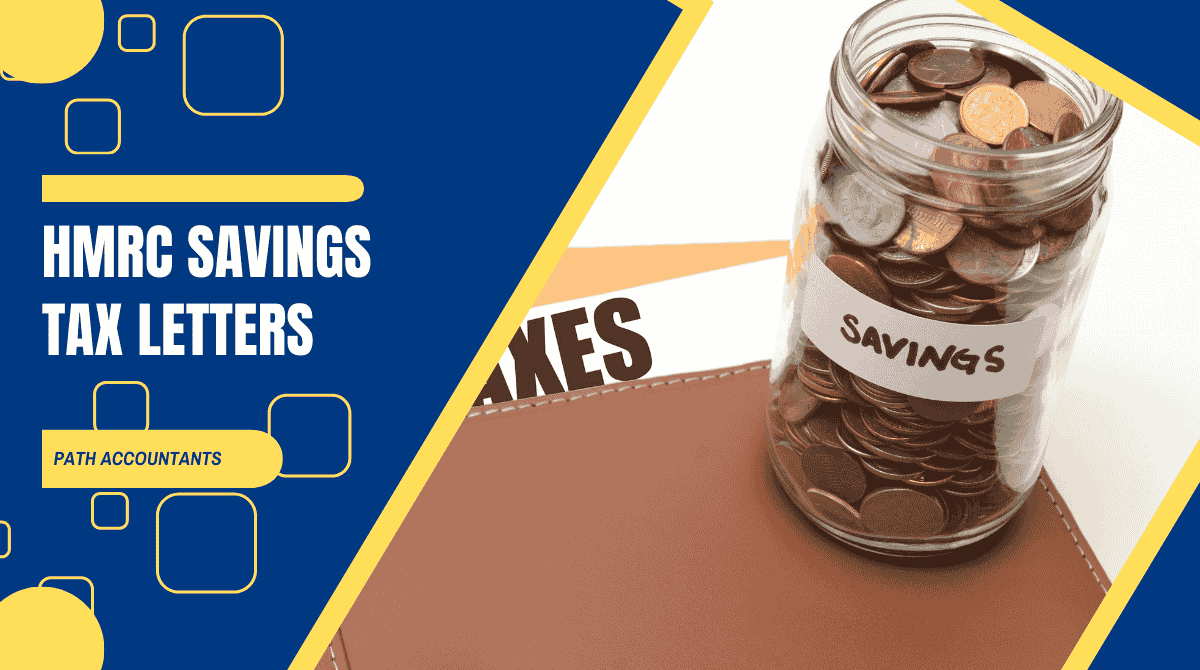
HMRC savings tax letters are notices sent by HMRC to tell you that you may have paid too much or too little tax on your savings interest. These letters usually arrive when banks or building societies report interest you earned and HMRC notices a difference between what tax was due and what was paid. Although they can feel worrying at first most savings tax letters are routine and easy to deal with once you understand them.
What HMRC savings tax letters are
HMRC savings tax letters are official letters explaining how your savings interest has been taxed. Since banks no longer deduct tax automatically HMRC now checks savings interest data itself and updates your tax record where needed.
These letters usually explain
- how much savings interest HMRC believes you earned
- whether you underpaid or overpaid tax
- how HMRC plans to collect or refund the tax
- whether you need to take any action
They are not penalty notices and do not mean you have done anything wrong.
You can also see how savings income fits into your wider tax position in our guide to UK income tax
Why HMRC sends savings tax letters
Banks and building societies report savings interest directly to HMRC. If this information does not match your PAYE or tax record HMRC sends a savings tax letter to correct the difference.
Common reasons include
- your savings interest went over your allowance
- you moved into a higher tax band
- your income changed during the year
- you have multiple savings accounts
- your tax code did not reflect savings income
This is why many people receive HMRC savings tax letters even when their finances seem straightforward.
Official HMRC guidance on savings interest
How savings interest is taxed in the UK
Savings interest is taxed depending on your income tax band and your personal savings allowance.
Most people have a tax free allowance
- basic rate taxpayers up to £1,000
- higher rate taxpayers up to £500
- additional rate taxpayers no allowance
Once you earn more than your allowance the extra interest becomes taxable.
If you are unsure which tax band you fall into you can check our guide
Types of HMRC savings tax letters you may receive
Not all savings tax letters mean the same thing. HMRC uses different letters depending on your situation.
You may receive a letter saying
- you owe tax on savings interest
- you are due a tax refund
- your tax code has changed
- HMRC needs you to check the figures
Some letters are for information only while others ask you to respond.
What to do when you receive an HMRC savings tax letter
Do not ignore the letter. Take a few minutes to review it carefully.
You should
- check the interest amount shown
- compare it with your bank statements
- check whether your tax code has changed
- confirm whether the figures look correct
If everything is correct HMRC will usually deal with it automatically. If something looks wrong you should contact HMRC.
If the letter links to PAYE adjustments our guide on PAYE may help
What happens if you owe tax on savings interest
If HMRC says you owe tax there are usually two outcomes.
For smaller amounts HMRC adjusts your tax code so the tax is collected gradually through PAYE.
For larger amounts HMRC may ask for a direct payment or include it in self assessment.
This is why many people see their tax code change after receiving a savings tax letter.
You can also learn how HMRC handles underpaid tax in our guide
What happens if you are due a refund
If HMRC finds that you overpaid tax on savings interest they usually issue a refund automatically.
Refunds may be
- paid into your bank account
- sent as a cheque
- offset against future tax
In most cases you do not need to apply unless HMRC asks for confirmation.
Do HMRC savings tax letters mean you need self assessment
Not always. Many people assume they must file a tax return after receiving a savings tax letter but this is often not the case.
You may need self assessment if
- your untaxed income is high
- you have rental or freelance income
- HMRC specifically asks you to file
Otherwise PAYE adjustments usually cover savings tax.
If you are unsure you can review
Common mistakes people make with savings tax letters
People often panic or make avoidable mistakes.
Common errors include
- ignoring the letter
- assuming it is a scam
- paying without checking the figures
- missing deadlines
- not correcting incorrect interest amounts
A calm review usually prevents bigger problems later.
How to reduce future HMRC savings tax letters
You cannot always avoid savings tax letters but you can reduce how often they occur.
Helpful steps include
- using ISAs where possible
- checking savings interest annually
- reviewing your tax code
- informing HMRC when income changes
- monitoring when you move tax bands
Better planning leads to fewer surprises.
How Path Accountants can help with HMRC savings tax letters
At Path Accountants we help individuals review HMRC savings tax letters check interest figures and correct tax codes where needed. We also advise on tax efficient saving so you minimise future issues.
Our team can
- review HMRC letters
- check savings interest accuracy
- contact HMRC on your behalf
- correct tax codes
- advise on tax planning
You can request a free consultation here
View our full tax services
Conclusion
HMRC savings tax letters are usually routine checks rather than cause for concern. They exist to make sure the right amount of tax is paid on savings interest. By reviewing the figures responding on time and keeping your tax record up to date you can handle these letters with confidence. Understanding how savings tax works puts you in control and helps prevent repeat letters in the future.
FAQs
Are HMRC savings tax letters genuine?
Yes they are official letters sent by HMRC when savings interest needs reviewing.
Do banks report my savings to HMRC?
Yes banks and building societies report interest directly to HMRC.
Should I pay immediately after receiving a letter?
No always check the figures first before paying.
Can HMRC change my tax code because of savings interest?
Yes HMRC often adjusts tax codes to collect or refund savings tax.
Do I need to contact HMRC if the figures are correct?
Usually no HMRC will handle it automatically.
What if the figures in the letter are wrong?
You should contact HMRC and provide the correct information.
Get expert help before your next tax deadline.
Path Accountants helps UK small businesses stay compliant, organised, and tax efficient.

Mohammad Hamza Pathan
ACA Chartered Accountant & Technical Reviewer
ICAEW verified practising certificateMohammad Hamza Pathan is an ICAEW Chartered Accountant and a director of Path Accountants. He reviews Path Accountants guides for technical accuracy, practical relevance and alignment with current UK accounting and tax requirements before publication or substantive updates.
Qualifications and experience
- ICAEW Chartered Accountant (ACA), admitted in 2020 and holder of an ICAEW practising certificate.
- Accountant at Path Accountants and a registered director of Path Accountants Ltd.
- Education listed as Cass Business School.
Professional review areas
- UK tax compliance
- Statutory and company accounts
- Self Assessment
- VAT and Making Tax Digital
- Bookkeeping and payroll
- Small-business accounting
Technical claims, UK terminology, key compliance points and whether the guidance clearly distinguishes general information from advice that depends on a reader's circumstances.